
One of the most fascinating aspects of the Atari computer ecosystem was the wide range of accessories available to expand and customize the user experience. Atari offered everything from cassette tape program recorders and floppy disk drives to printers, modems, trackballs, light guns, and joysticks. Early users often loaded programs from cassette tape systems such as the Atari 410 Program Recorder before eventually upgrading to faster floppy disk drives like the Atari 810 Disk Drive and Atari XF551. These accessories transformed Atari computers from simple gaming machines into capable personal computers used for school, business, creativity, and communication.
Gaming accessories also played a major role in the Atari experience. Classic controllers such as the Atari CX40 Joystick became iconic symbols of early home gaming, while paddles, trackballs, and light guns added new ways to interact with games and educational software. Atari printers and modems allowed users to explore early home publishing and online communication long before the modern internet era. Together, these accessories helped create a complete computing environment that encouraged experimentation, creativity, and hands-on learning for an entire generation of Atari enthusiasts.
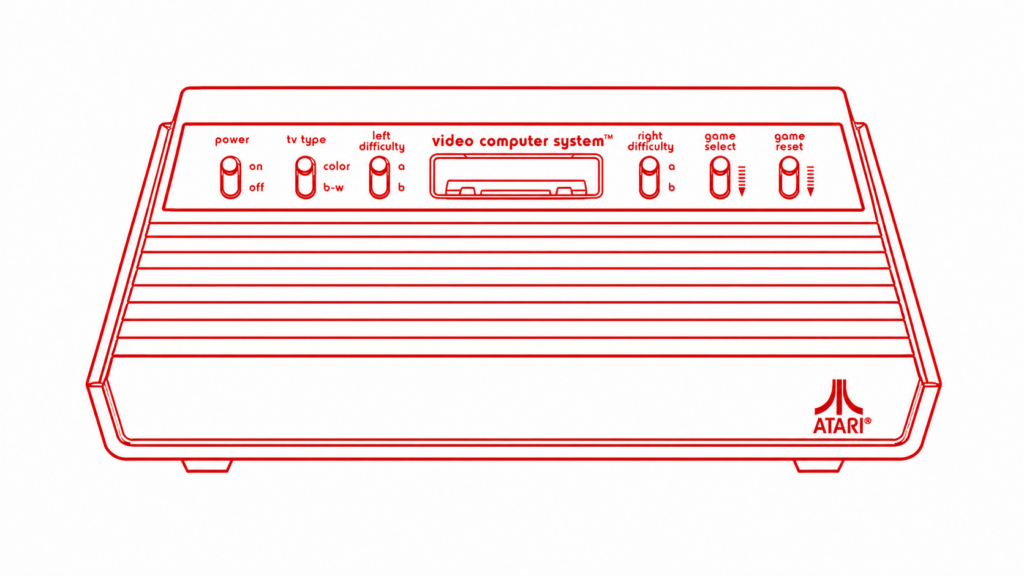
Console Accessories
Atari console accessories played a major role in expanding the gaming experience far beyond the basic console itself. From the iconic CX40 joystick and paddle controllers of the Atari 2600 era to advanced accessories like trackballs, keypad controllers, light guns, and driving controllers, Atari continually experimented with new ways for players to interact with games. Later systems such as the Atari Lynx and Atari Jaguar introduced multiplayer cables, CD-ROM add-ons, memory cartridges, and enhanced controllers that pushed Atari hardware even further. These accessories helped define the Atari experience and demonstrated the company’s willingness to innovate, experiment, and expand the possibilities of home gaming throughout the 1970s, 1980s, and 1990s.
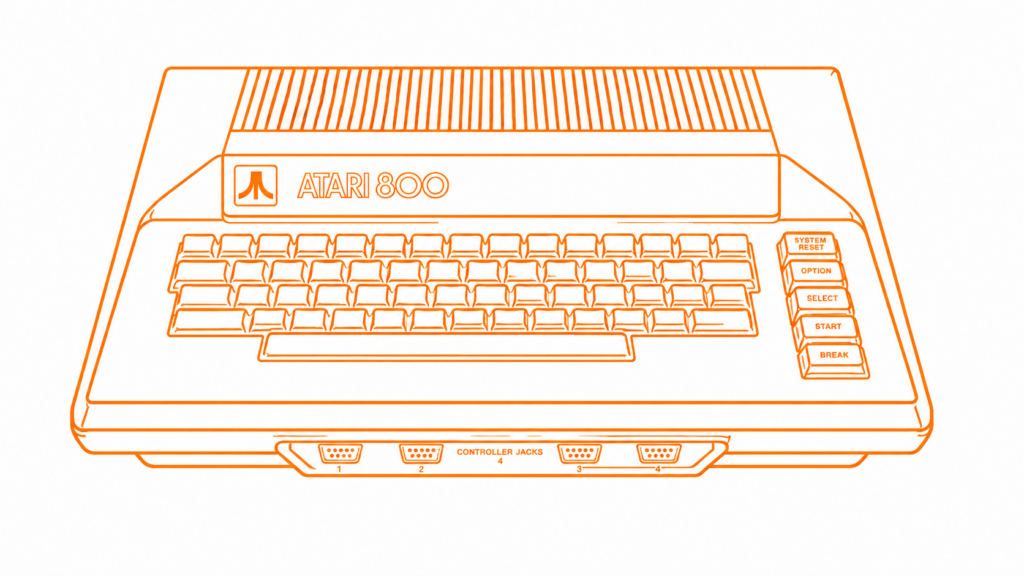
8-Bit Computer Accessories
Accessories were a major part of what made the Atari 8-bit computer family so powerful and versatile during the 1980s. Systems such as the Atari 800, Atari 800XL, and Atari 130XE could be expanded with a wide range of peripherals including cassette recorders, floppy disk drives, printers, modems, plotters, touch tablets, joysticks, trackballs, and even speech and networking devices. Popular accessories such as the Atari 1050 and Atari XF551 gave users advanced storage options, while devices like the Atari 1020 and Atari modems helped turn these systems into creative and communication tools rather than simple gaming machines. Atari’s accessory ecosystem played a huge role in transforming its 8-bit computers into flexible platforms for gaming, education, programming, music, and productivity.
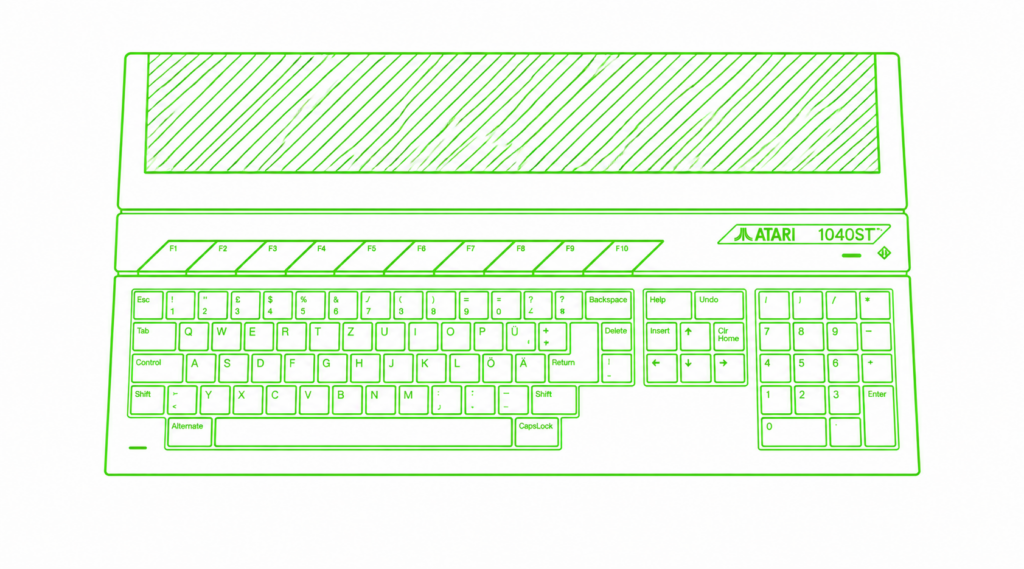
16/32-Bit System Accessories
Accessories for Atari’s 16/32-bit computers helped transform systems like the Atari 1040ST, Atari Mega STE, and Atari Falcon 030 into powerful creative and professional workstations. Atari released a wide range of peripherals including external floppy drives, hard drives, high-resolution monochrome and color monitors, laser printers, networking hardware, MIDI equipment, audio interfaces, and memory expansion devices. The built-in MIDI ports on Atari ST systems also led to an enormous ecosystem of synthesizers, samplers, sequencers, and studio accessories that made Atari computers legendary in music production circles. Combined with graphics tablets, scanners, SCSI storage devices, and advanced multimedia hardware for systems like the Falcon and TT030, Atari’s 16/32-bit accessories helped the platform become popular in gaming, music, desktop publishing, programming, and multimedia production throughout the late 1980s and early 1990s.
