
ST Accessories
Storage Devices
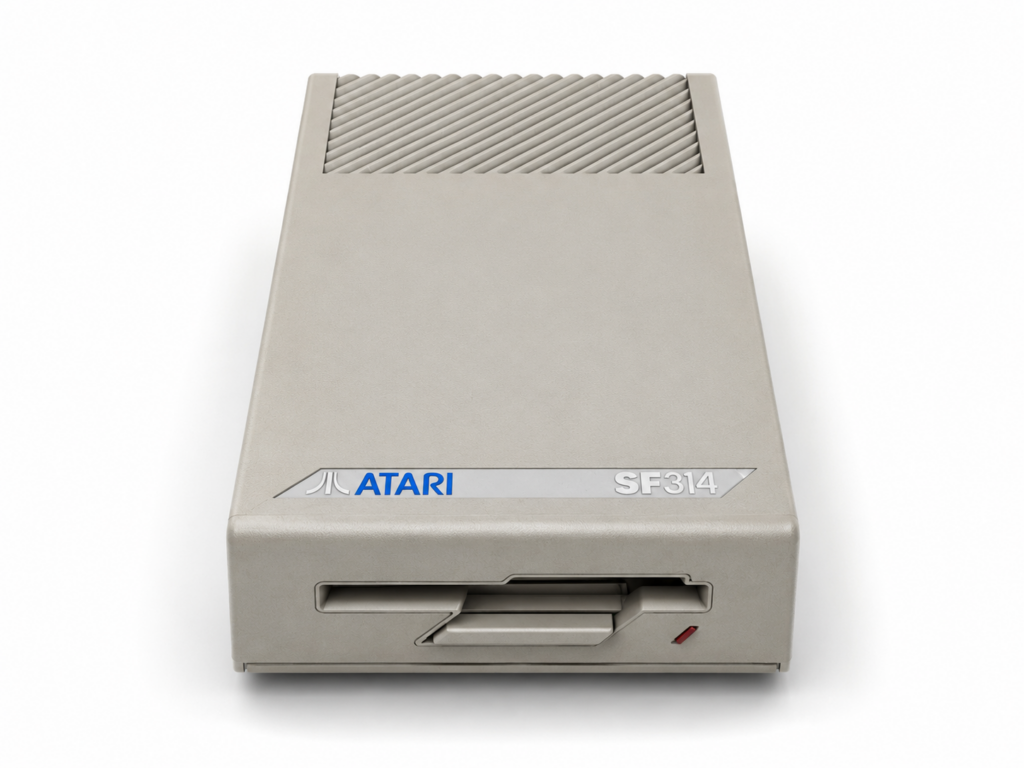
SF314 Floppy Drive
The Atari SF314 was an external 3.5-inch floppy disk drive designed for the early Atari ST systems during the mid-1980s. Styled to closely match the appearance of the Atari 520ST and 1040ST computers, the SF314 provided single-sided floppy disk storage and connected directly to the ST’s external floppy drive port. The drive used 3.5-inch disks, a modern storage format at the time that helped Atari systems feel more advanced compared to many competing computers still relying on larger 5.25-inch disks. The SF314 was commonly used as a second disk drive for software loading, file management, and program development, especially because many early Atari ST applications required swapping disks during operation. Although it was later replaced by higher-capacity double-sided drives such as the Atari SF354 and other upgraded models, the SF314 remains an iconic accessory from the early days of the Atari ST platform.
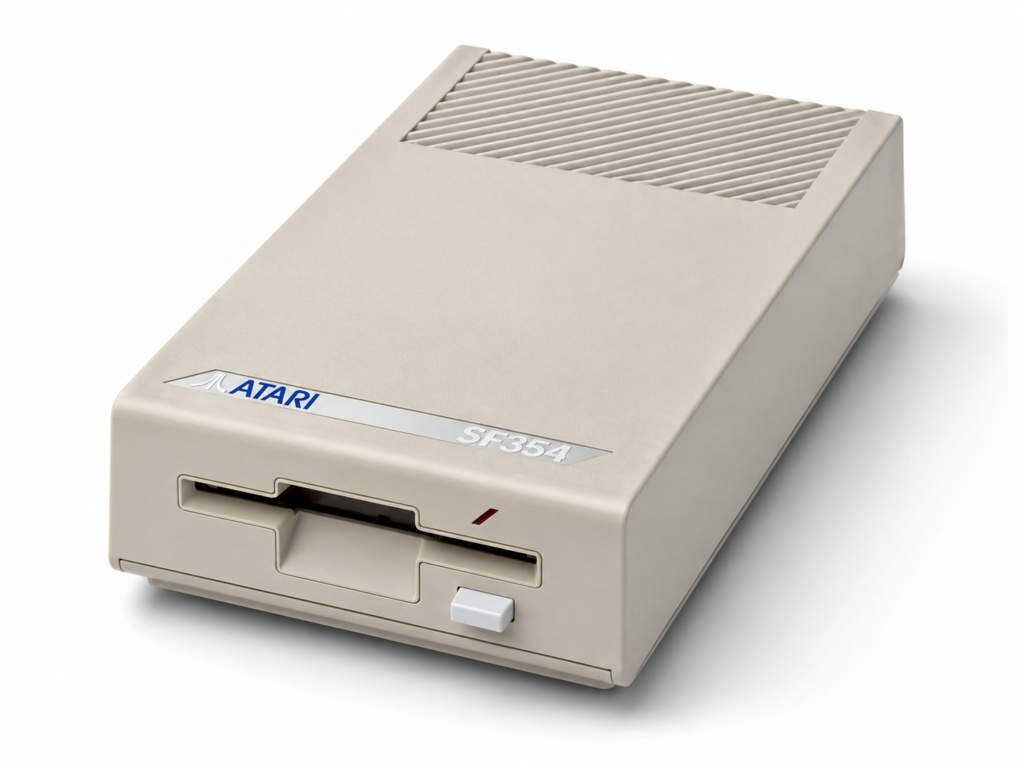
SF354 Floppy Drive
The Atari SF354 was one of the earliest external floppy drives released for the Atari ST line and helped provide affordable disk-based storage for Atari’s new 16/32-bit computers. The SF354 used a single-sided 3.5-inch floppy disk mechanism capable of storing approximately 360 KB of data per disk, which was considered modern and compact for the mid-1980s. Designed to visually match systems such as the Atari 520ST, the drive connected through the ST’s external floppy interface and was commonly used as either the primary or secondary disk drive in early Atari ST setups. Although reliable and easy to use, the SF354’s limited storage capacity quickly became restrictive as software grew larger, leading many users to upgrade to double-sided drives such as the Atari SF314 or later high-capacity storage solutions. Despite this, the SF354 remains an iconic early Atari ST peripheral and an important part of Atari’s transition into the 16/32-bit computing era.
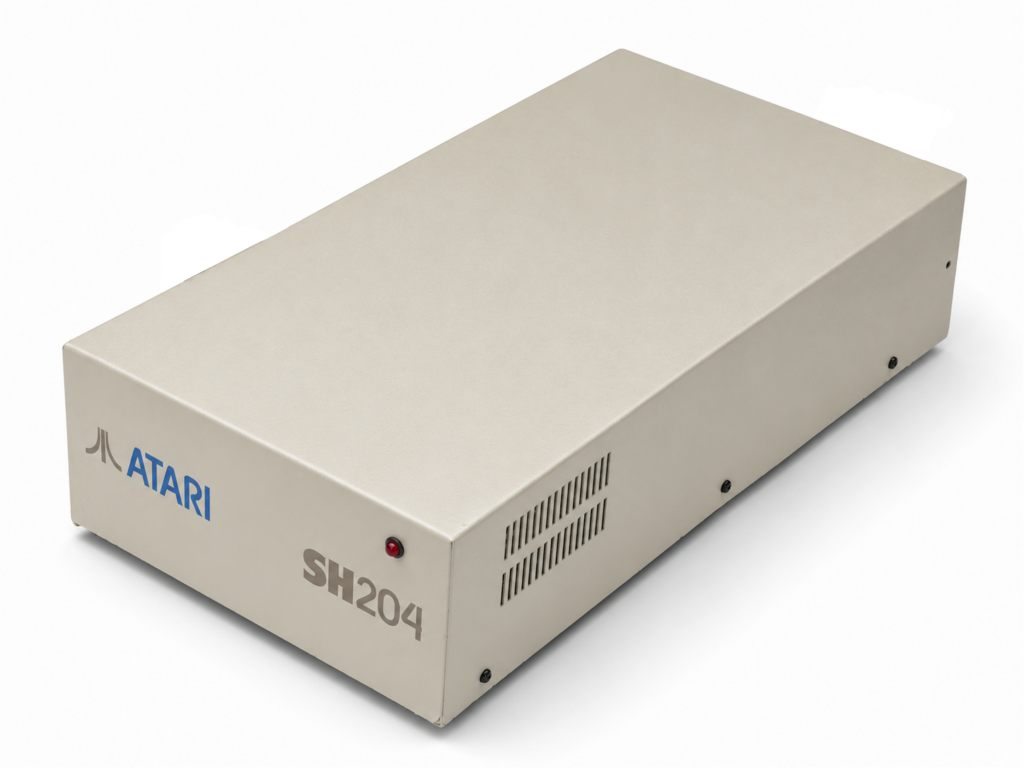
SH204 Hard Drive
The Atari SH204 was one of Atari’s first official hard disk drives for the Atari ST line, providing a major leap forward in storage capacity and performance for serious users. Released during the late 1980s, the SH204 offered approximately 20 megabytes of storage, an enormous amount of space compared to standard floppy disks of the era. The drive connected through Atari’s DMA hard disk interface and was especially popular among desktop publishing users, programmers, musicians, and graphic designers who needed faster access to large files and applications. Styled to match the Atari ST product line, the SH204 became a valuable upgrade for users working with professional software such as Calamus, Cubase, and CAD applications. Although large and noisy by modern standards, the Atari SH204 helped transform the Atari ST from a floppy-based home computer into a far more capable professional workstation system.
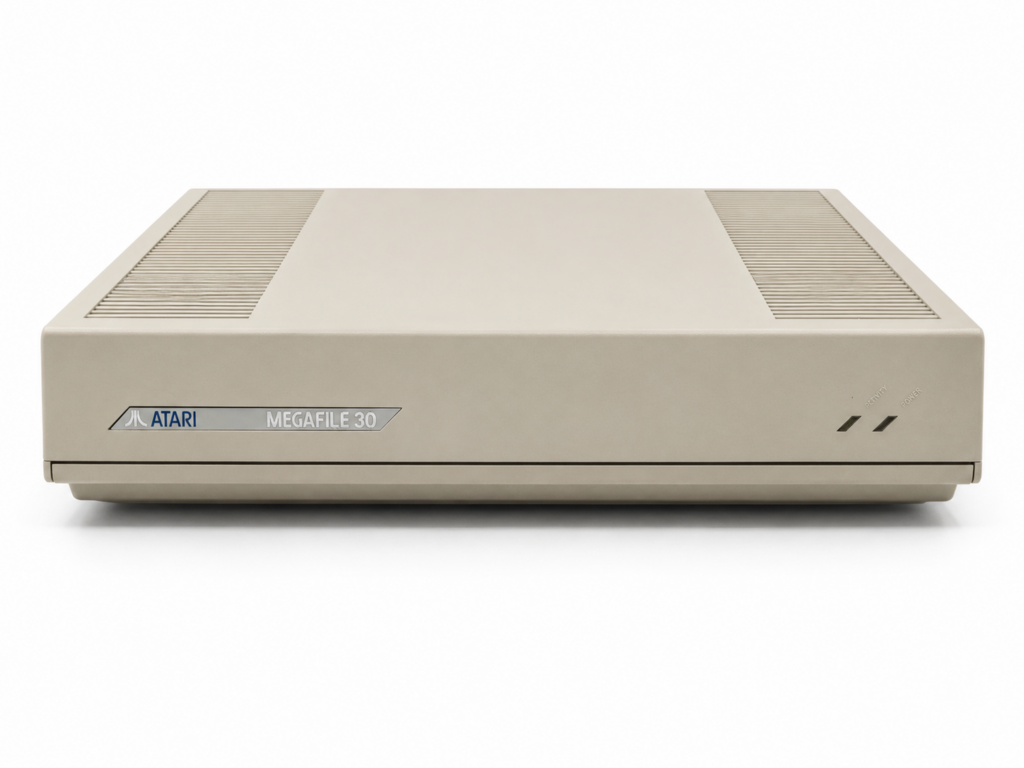
Megafile Hard Drive
The Atari MegaFile was a family of external hard drives developed for the Atari ST line, designed to provide faster storage access and significantly larger capacity than floppy disks. Released in several models, including the MegaFile 20, MegaFile 30, and MegaFile 60, these drives connected through Atari’s DMA hard disk interface and became popular among musicians, desktop publishers, programmers, and business users who required reliable mass storage. Styled to visually match systems such as the Atari Mega ST, the MegaFile series helped transform Atari computers into serious professional workstations capable of handling large applications and data-intensive tasks. The drives were especially valuable for software such as Cubase, Calamus, and graphic design tools, where quick file access dramatically improved productivity. Although primitive compared to modern storage devices, the Atari MegaFile series represented a major step forward in affordable hard disk computing during the late 1980s and early 1990s.
Monitors
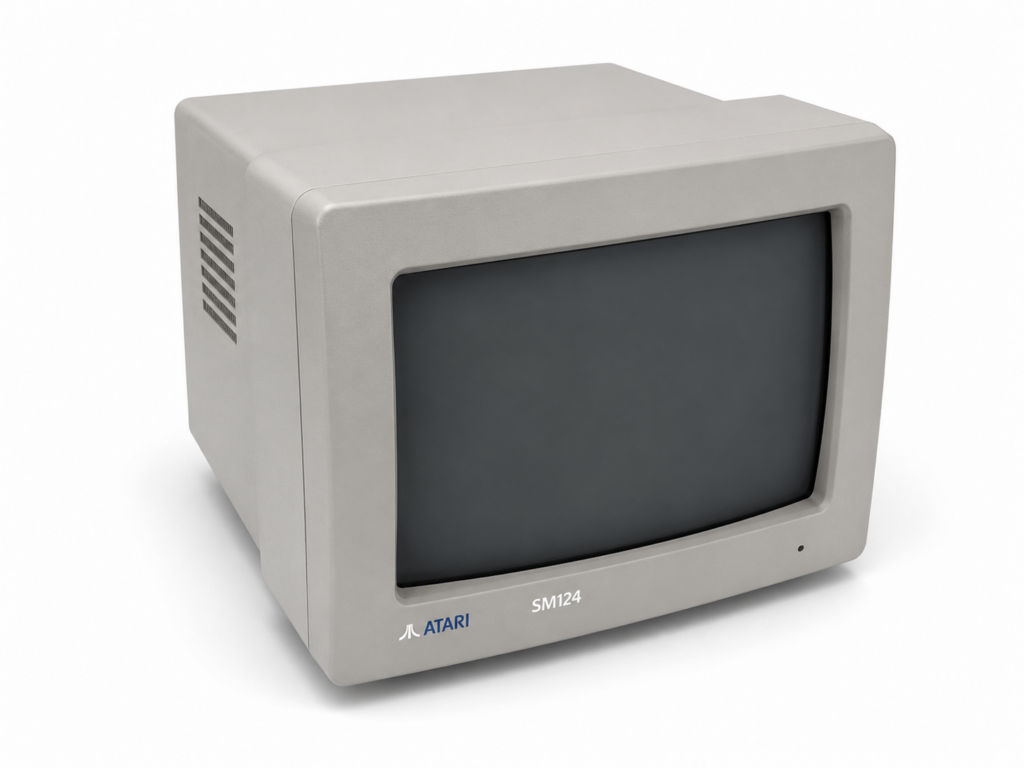
Atari SM124 Monochrome Monitor
The Atari SM124 was one of the most respected displays released for the Atari ST line and became especially popular among musicians, programmers, and desktop publishing users during the late 1980s. The SM124 featured a crisp black-and-white display capable of showing the Atari ST’s high-resolution 640×400 monochrome mode, providing exceptionally sharp text and detailed graphics for productivity applications. Its clear display made it ideal for word processing, programming, and professional publishing software such as Calamus and PageStream. Styled to match the clean design of Atari ST systems like the Atari 1040ST and Atari Mega ST, the SM124 helped give Atari computers a professional workstation appearance at an affordable price. Although limited to monochrome output, the monitor’s sharp image quality made it one of the defining accessories of the Atari ST era.
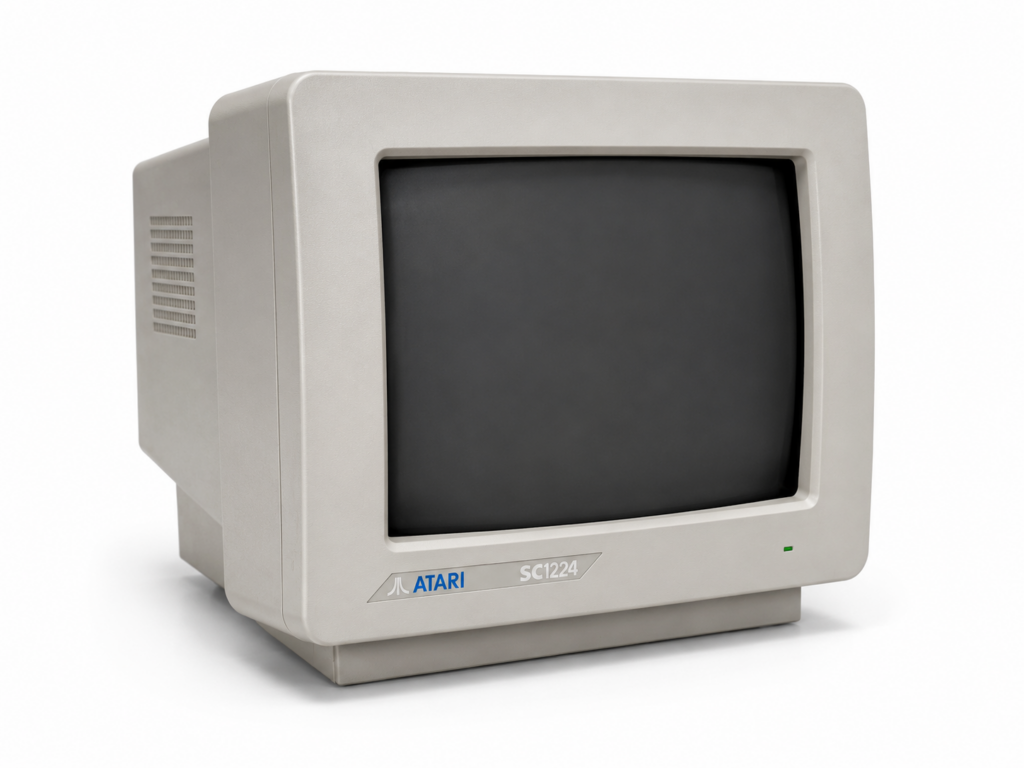
Atari SC1224 Colour Monitor
The Atari SC1224 was a popular RGB color monitor designed for the Atari ST and became one of the most recognizable accessories of the Atari ST era. The SC1224 displayed the ST’s low- and medium-resolution color graphics modes, producing vibrant images that were ideal for gaming, graphic design, animation, and music software. Compared to standard televisions commonly used with home computers at the time, the SC1224 offered much sharper image quality and improved color clarity thanks to its dedicated RGB connection. The monitor was styled to complement systems such as the Atari 520ST and Atari 1040ST, helping create a sleek and professional desktop setup. For many Atari users, the SC1224 provided the ideal balance between colorful multimedia capability and affordable high-quality display technology during the late 1980s.
Input Devices
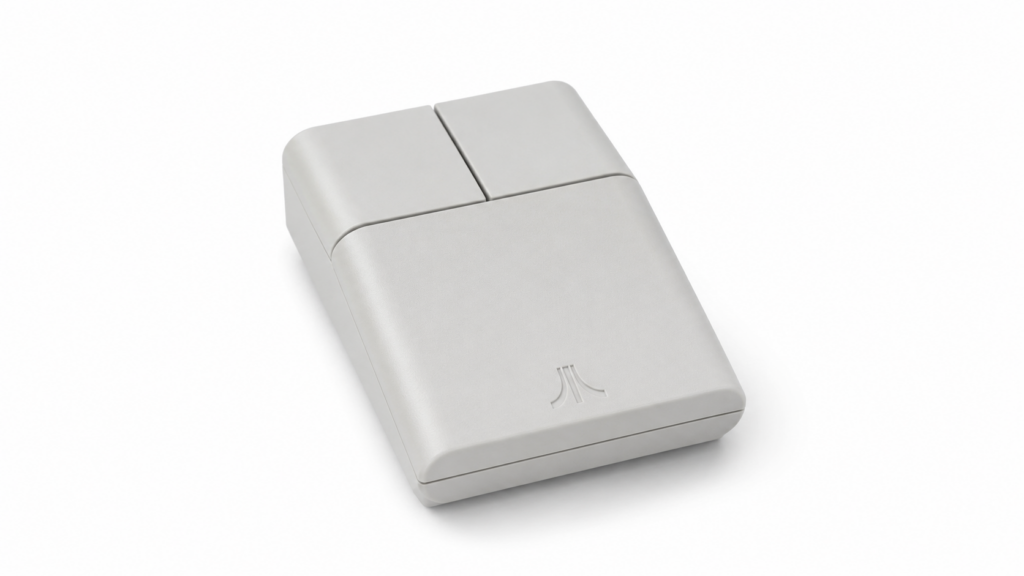
Atari ST mouse
The Atari ST Mouse was an essential accessory for the Atari ST and played a major role in making the system feel modern and user-friendly during the mid-1980s. Unlike many earlier home computers that relied almost entirely on keyboard commands, the Atari ST used a graphical user interface called GEM, which was heavily designed around mouse input. The Atari ST mouse featured a simple two-button design and used a mechanical ball mechanism to track movement across a desktop surface. It allowed users to navigate windows, icons, menus, and professional software with ease, helping the Atari ST compete directly with systems such as the Apple Macintosh and Commodore Amiga. The mouse became especially important for desktop publishing, music sequencing, graphic design, and productivity applications, making it one of the defining peripherals of the Atari ST platform.
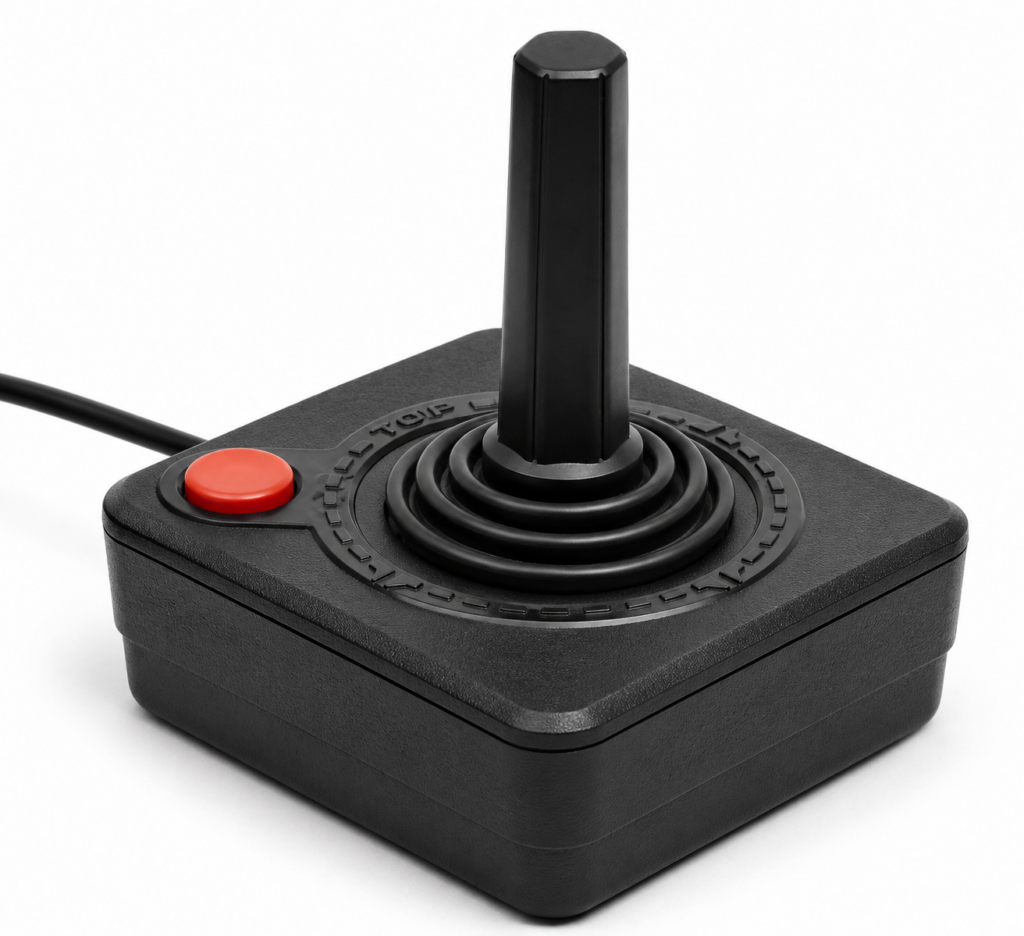
CX40 Joystick
The Atari CX40 Joystick is one of the most iconic video game controllers ever created and became a defining symbol of the golden age of home gaming. Originally released for the Atari Video Computer System, the CX40 featured a rugged black rectangular base, a simple eight-direction digital joystick, and a single red fire button that made it easy for players of all ages to jump into arcade-style games. Its durable design and responsive controls helped make classics such as Asteroids, Missile Command, and Space Invaders feel exciting and accessible at home. The joystick also became widely compatible with Atari’s 8-bit computer systems and many third-party gaming platforms, helping establish a common controller standard across the industry. Decades after its release, the Atari CX40 remains one of the most recognizable and influential controllers in video game history and continues to be celebrated by retro gaming enthusiasts around the world.
Communications
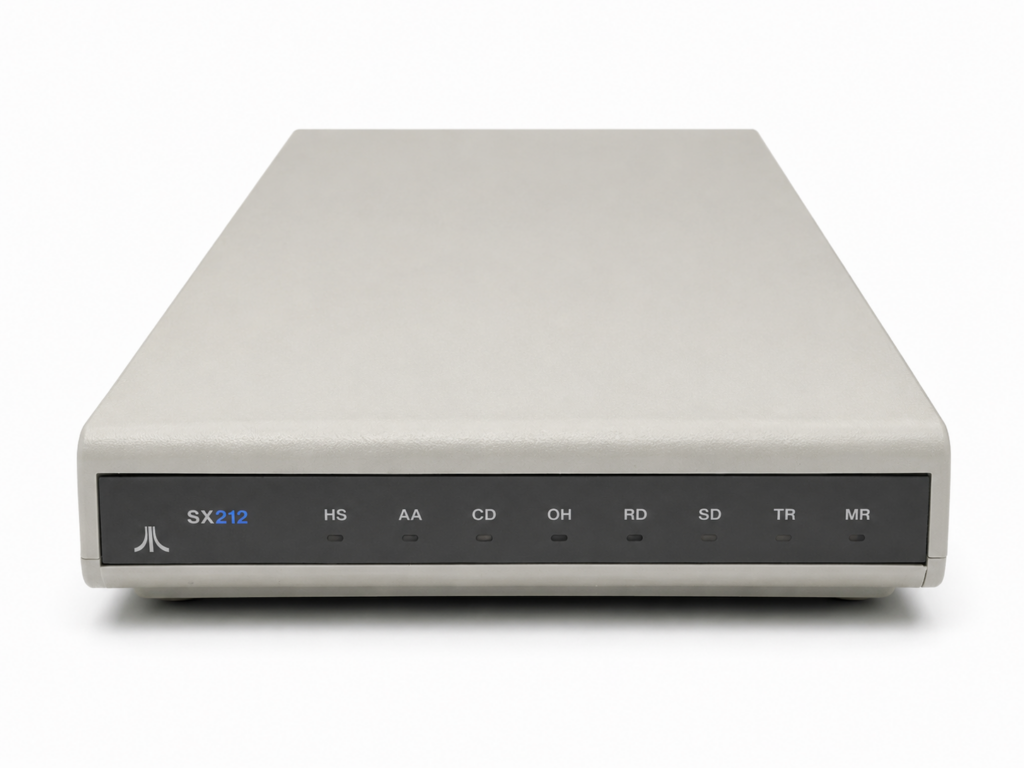
SX212 Modem
The Atari SX212 Modem was Atari’s official direct-connect modem for the Atari ST and Atari 8-bit computer lines during the mid-1980s, allowing users to connect to bulletin board systems (BBS), online services, and remote computer networks through the ST’s built-in RS-232 serial port. Supporting speeds of up to 1200 baud for downloading and 75 baud for uploading, the SX212 represented a significant improvement over earlier acoustic coupler modems by offering direct telephone line connections and automatic dialing features. Atari ST users commonly paired the modem with telecommunications software such as Flash and STalker to exchange files, send electronic messages, and explore the growing world of online communication long before the modern internet became widespread. Although later third-party modems eventually surpassed it in popularity and speed, the Atari SX212 remains one of the most recognizable communication accessories from the Atari ST era.
Printers
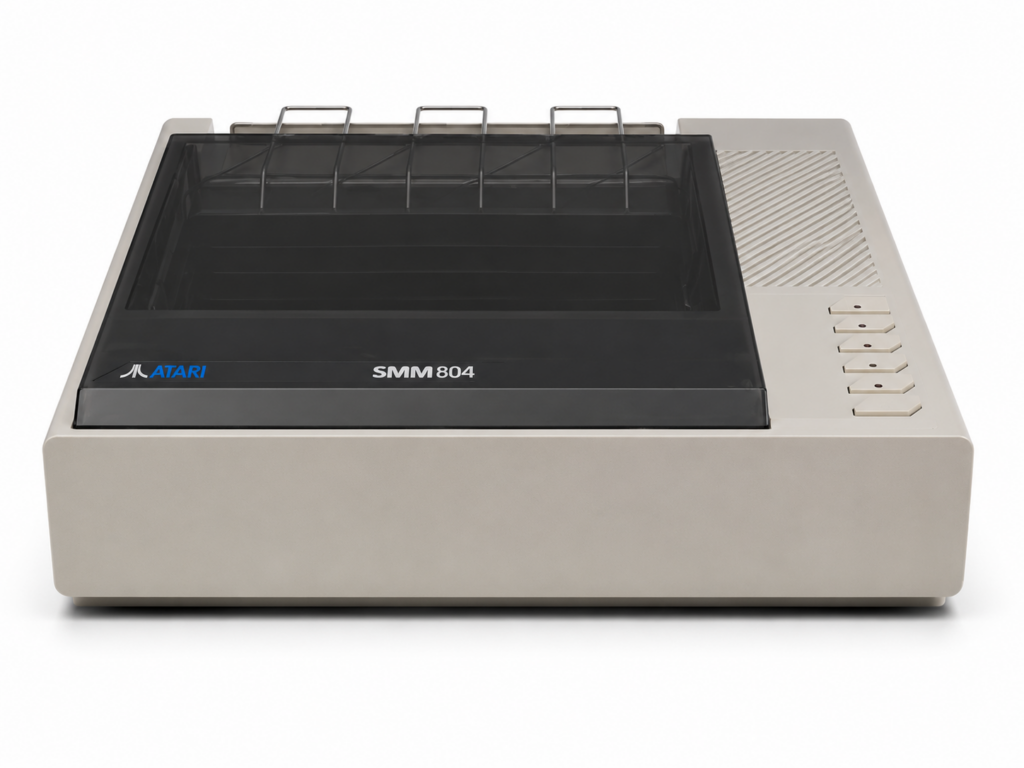
Atari SMM804 Printer
The Atari SMM804 Printer was a compact dot matrix printer designed for the Atari ST and became a popular printing solution for home and small business users during the late 1980s. Based on an Epson-compatible print mechanism, the SMM804 connected directly to the Atari ST’s parallel printer port and was capable of producing text documents, graphics, and program listings on standard paper. Its compact design and styling matched Atari ST systems such as the Atari 520ST and Atari 1040ST, helping create a professional-looking desktop setup. Although noisy like many dot matrix printers of the era, the SMM804 offered reliable and affordable printing for word processing, business applications, and educational use, making it a practical accessory for many Atari ST owners.
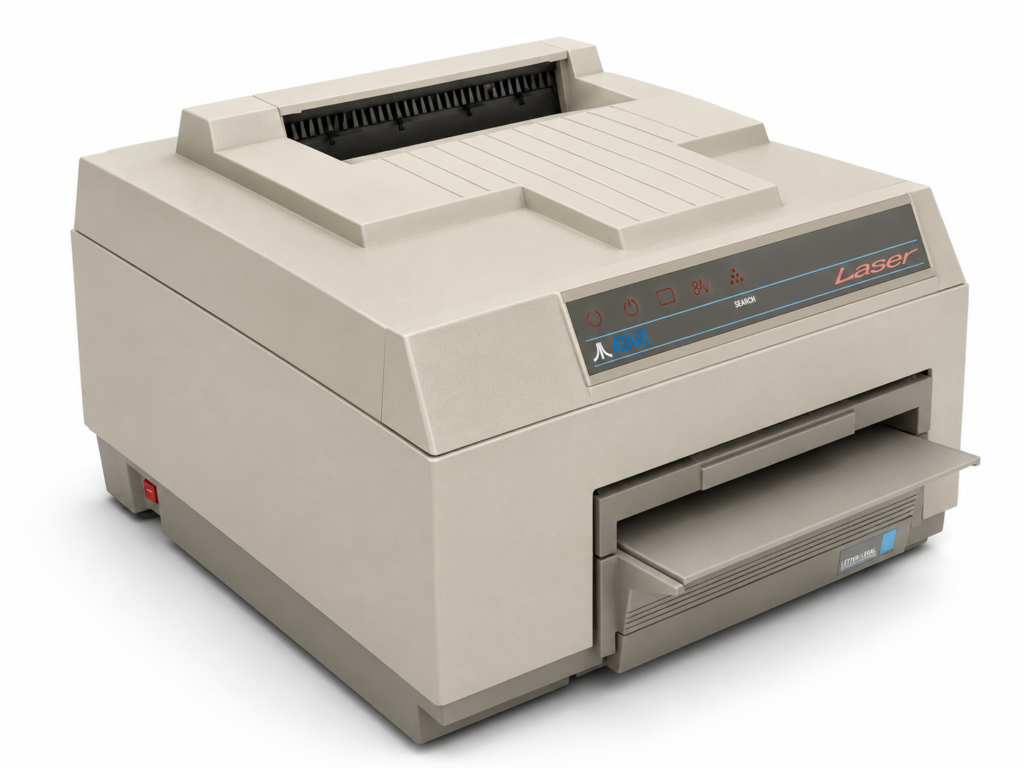
Atari SLM804 Printer
The Atari SLM804 Laser Printer was a high-resolution laser printer developed for the Atari ST and became one of the key components that helped turn the Atari ST into an affordable desktop publishing powerhouse during the late 1980s. Connecting through the ST’s DMA port, the SLM804 delivered crisp 300 DPI laser output that was ideal for professional-quality documents, newsletters, manuals, and graphic layouts. The printer became especially popular when paired with desktop publishing software such as Calamus and PageStream, giving small businesses, schools, and home users access to publishing capabilities that had previously required far more expensive systems. Styled to complement Atari Mega ST systems and monochrome monitors like the Atari SM124, the SLM804 helped establish the Atari ST as a serious low-cost alternative to early Macintosh desktop publishing setups.
