
Consoles
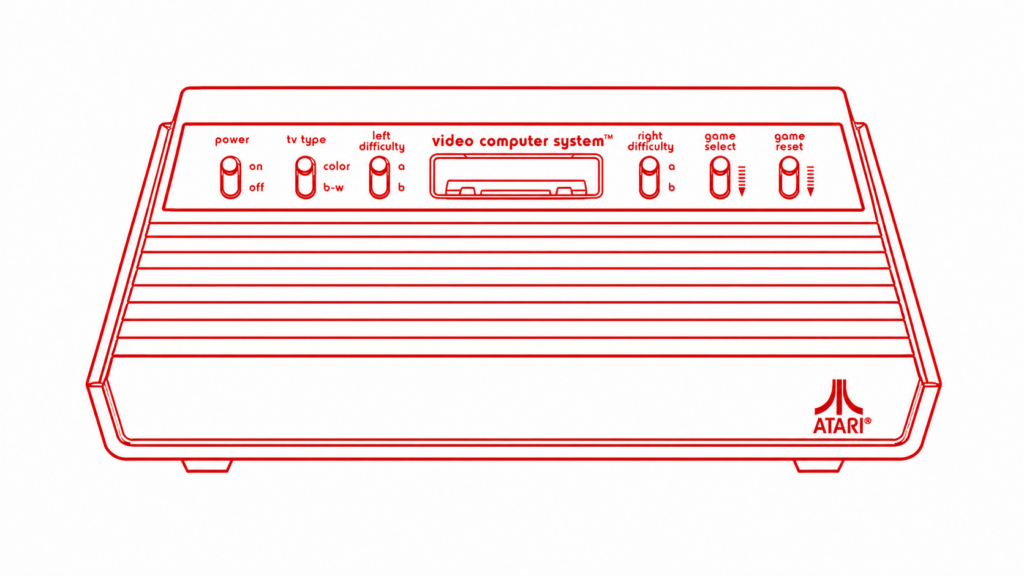
From the woodgrain elegance of the early 1970s to the more advanced systems of the late 1980s and early 1990s, Atari game consoles helped define the early history of home video gaming. Systems like the Atari 2600 introduced millions of people to gaming in their living rooms, turning simple cartridges and joysticks into a cultural phenomenon. Atari consoles became known for their straightforward design, memorable games, and the excitement of bringing the arcade experience home for the very first time.
Over the years, Atari continued to evolve with systems such as the Atari 5200, Atari 7800, and Atari Jaguar, each reflecting the changing technology and ambitions of the video game industry. While some systems achieved greater success than others, every Atari console contributed to the company’s lasting legacy of innovation, experimentation, and creativity. Today, these consoles remain highly collectible and continue to inspire retro gaming enthusiasts around the world.
8-Bit Computers
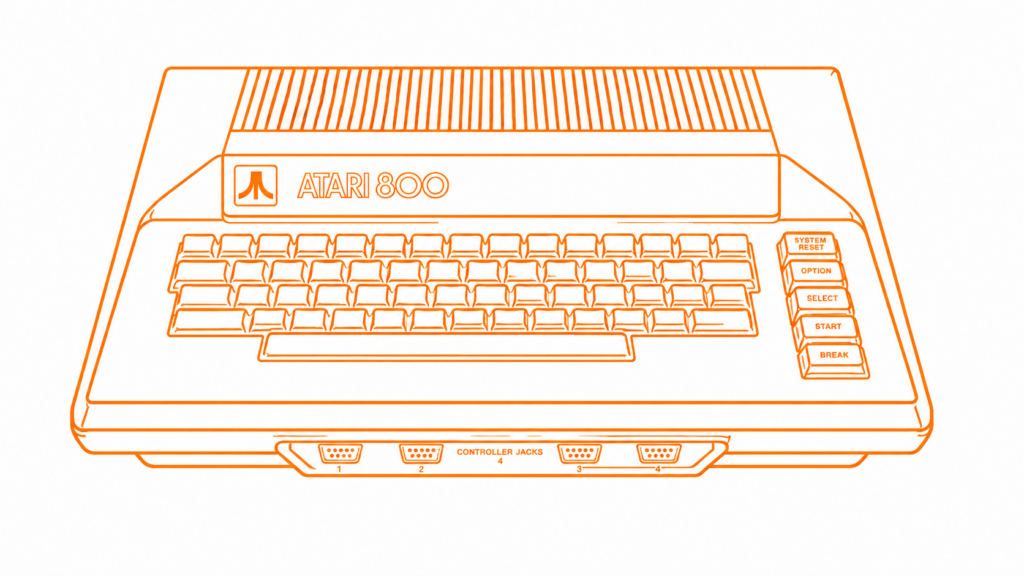
The Atari 8-bit computer line brought the power and excitement of computing into homes during the late 1970s and 1980s. Beginning with systems like the Atari 400 and Atari 800, Atari combined advanced graphics, impressive sound capabilities, and user-friendly design into machines that stood out from many of their competitors. These computers were not only used for gaming, but also for programming, education, music, telecommunications, and creative experimentation. For many users, the Atari 8-bit line became their first real introduction to personal computing.
Over time, the family expanded with systems such as the Atari 800XL, Atari 130XE, and the compact Atari XE Game System. Backed by a passionate community of developers and enthusiasts, the Atari 8-bit platform built a reputation for creativity and innovation that continues decades later. Even today, collectors and hobbyists still create new software, hardware upgrades, and games for these classic systems, keeping the spirit of the Atari 8-bit era alive.
16/32-Bit Systems
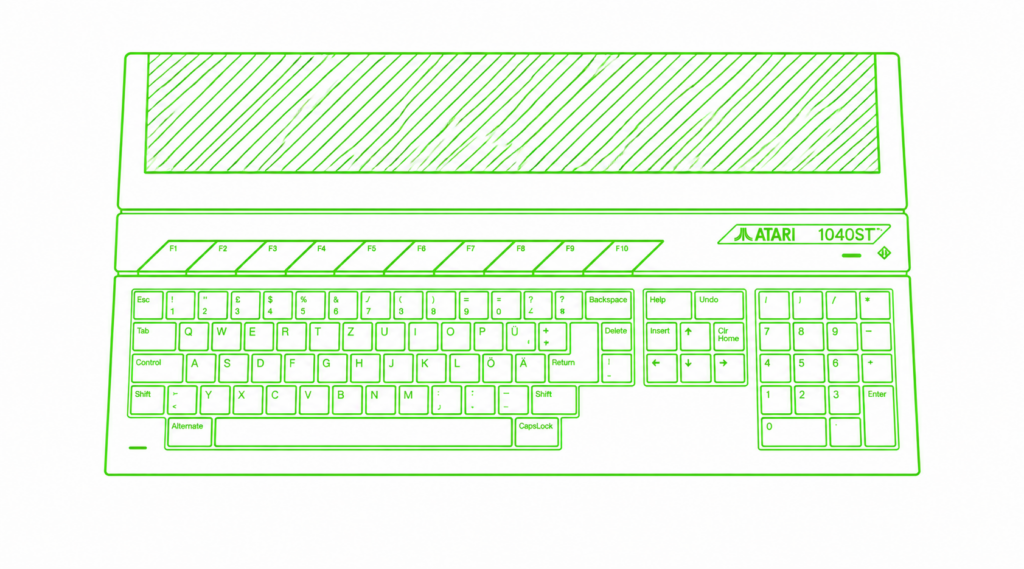
The Atari 16/32-bit computer line marked a major step forward in home computing, combining powerful hardware with sleek, professional design. Beginning with the Atari ST series in the mid-1980s, Atari introduced systems that featured advanced graphics, built-in MIDI ports for music production, and the GEM graphical user interface. These computers quickly became popular with musicians, artists, programmers, and desktop publishing enthusiasts, offering impressive performance at a more affordable price than many competing systems of the era.
Over the years, the family expanded with machines such as the Atari Mega ST, Atari TT030, and the powerful Atari Falcon 030. Each system pushed Atari technology further, especially in areas like digital audio, multitasking, and creative software applications. Although Atari eventually exited the computer market, the ST and Falcon lines developed a loyal following that still exists today, with enthusiasts continuing to preserve, restore, and expand these classic machines decades later.
Accessories
One of the most fascinating aspects of the Atari computer ecosystem was the wide range of accessories available to expand and customize the user experience. Atari offered everything from cassette tape program recorders and floppy disk drives to printers, modems, trackballs, light guns, and joysticks. Early users often loaded programs from cassette tape systems such as the Atari 410 Program Recorder before eventually upgrading to faster floppy disk drives like the Atari 810 Disk Drive and Atari XF551. These accessories transformed Atari computers from simple gaming machines into capable personal computers used for school, business, creativity, and communication.
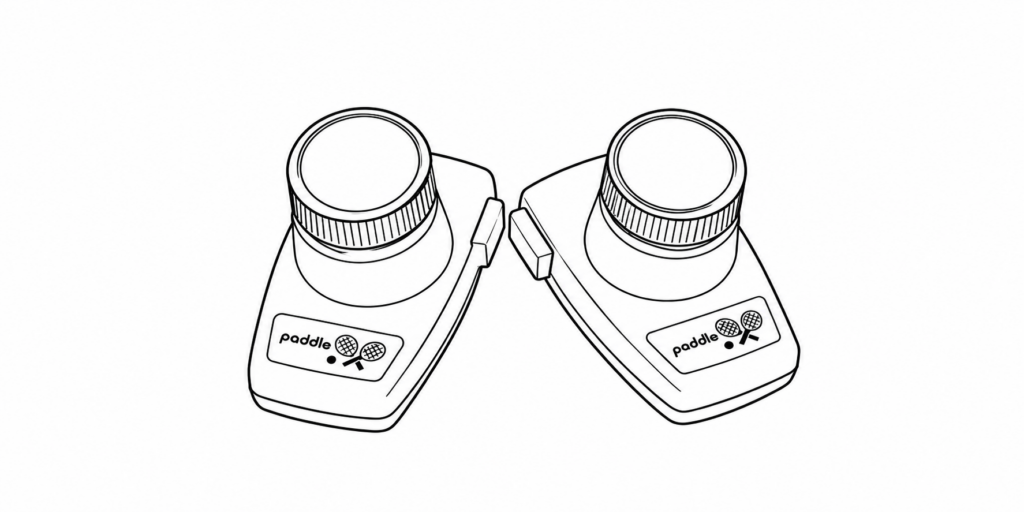
Gaming accessories also played a major role in the Atari experience. Classic controllers such as the Atari CX40 Joystick became iconic symbols of early home gaming, while paddles, trackballs, and light guns added new ways to interact with games and educational software. Atari printers and modems allowed users to explore early home publishing and online communication long before the modern internet era. Together, these accessories helped create a complete computing environment that encouraged experimentation, creativity, and hands-on learning for an entire generation of Atari enthusiasts.
