
Release Information
- Released: 1985
- Manufacturer: Atari
- Type: 16/32-bit home computer
The Atari 520ST Home Comptuer
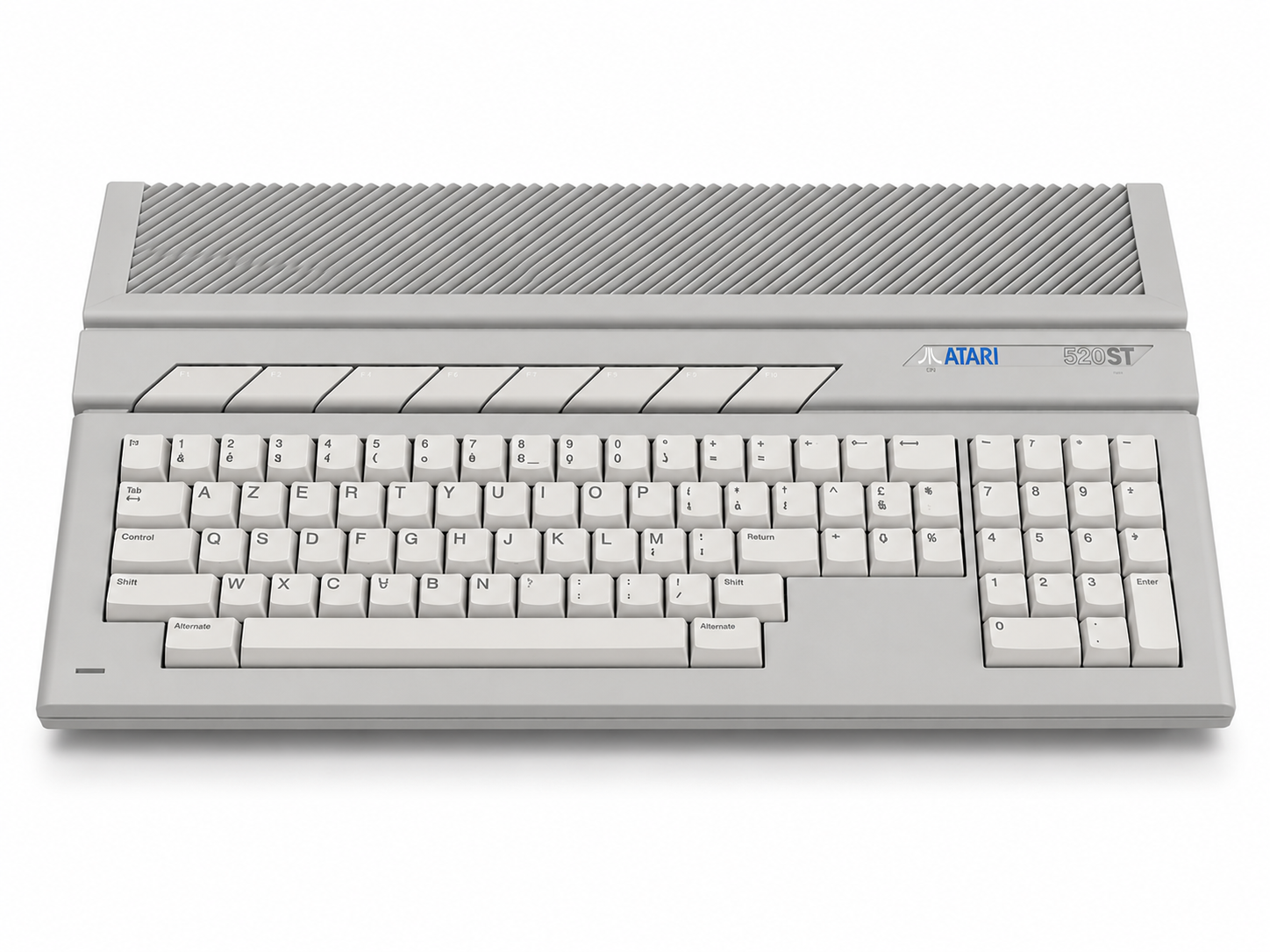
The Atari 520ST was the computer that launched Atari’s highly successful ST computer line and marked the company’s transition from 8-bit home computers into the world of affordable 16/32-bit computing. Released in 1985, the 520ST combined powerful hardware, a graphical user interface, built-in MIDI ports, and an attractive price point into a system that quickly gained popularity among gamers, musicians, programmers, artists, and business users around the world.
At the heart of the Atari 520ST was the Motorola 68000 processor running at 8 MHz, the same family of processor used in much more expensive systems such as the Apple Macintosh and the Commodore Amiga. The “520” in the name referred to the computer’s 512 KB of RAM, which was considered very generous for a consumer home computer at the time. Atari designed the ST to deliver advanced computing capabilities at a much lower price than many competing 16-bit systems.
One of the most revolutionary features of the Atari 520ST was its built-in MIDI (Musical Instrument Digital Interface) ports. Unlike most other home computers of the era, the 520ST could connect directly to synthesizers, drum machines, and other electronic music equipment without requiring additional hardware. This instantly made the Atari ST family extremely popular in music studios around the world, where the system became known for reliable MIDI timing and professional sequencing software.
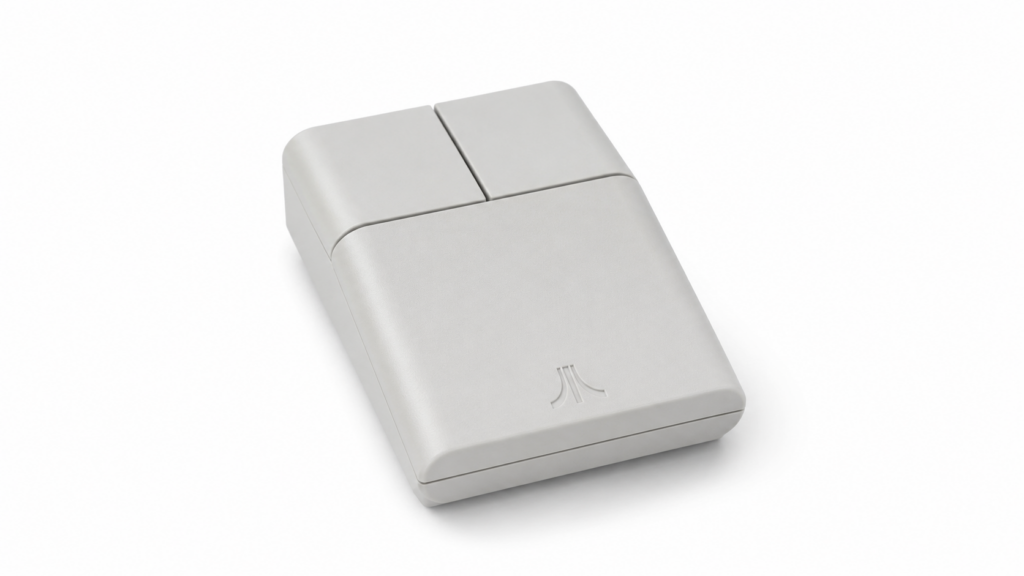
The Atari 520ST also introduced users to Atari’s GEM graphical operating environment. GEM provided a modern mouse-driven graphical user interface with windows, icons, menus, and desktop-style interaction. For many users, the 520ST became their first experience with a GUI-based operating system, helping bridge the gap between traditional command-line computers and the more visually driven computing environments that would dominate the future.
Graphically, the 520ST offered impressive capabilities for its era, including color graphics modes, higher-resolution monochrome display support, and smooth animation. The system became especially popular for gaming in Europe, where the Atari ST developed a massive software library featuring arcade-style games, adventure titles, simulations, and creative applications. The computer also gained strong support in desktop publishing, programming, telecommunications, and educational markets.
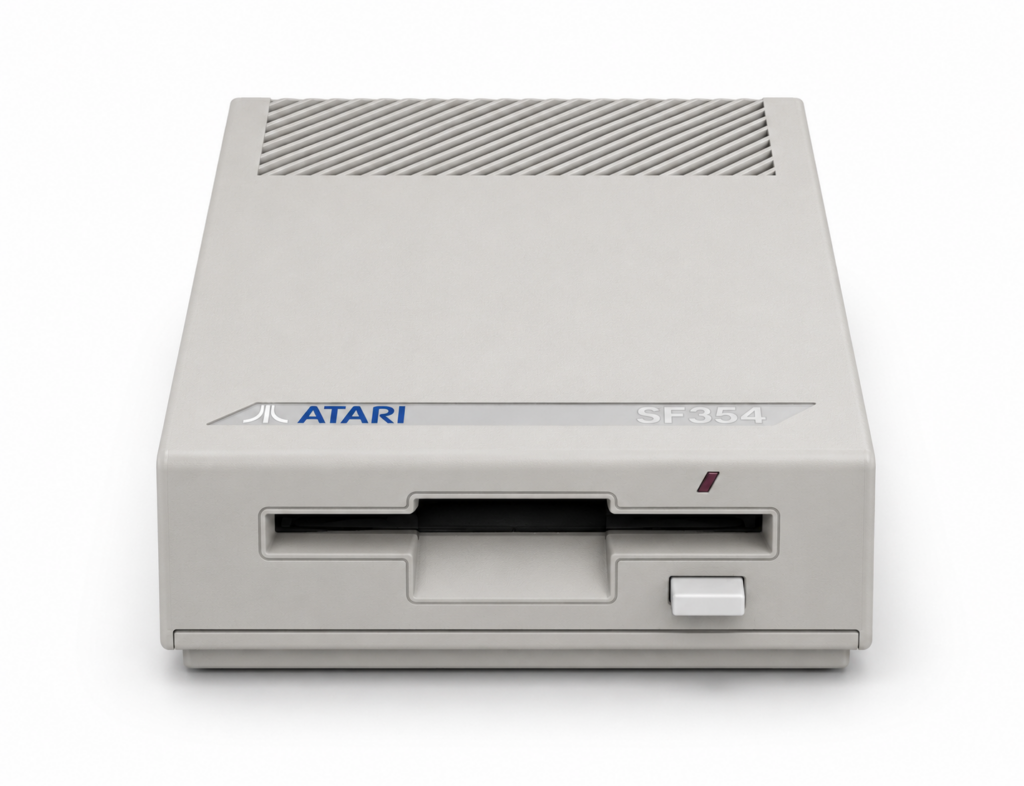
The Atari 520ST was originally sold in several configurations, including versions that required an external floppy disk drive and later models with integrated storage options. Its compact wedge-shaped design and separate mouse helped create a sleek and modern appearance that stood out from many earlier home computers.
Despite strong competition from systems such as the Commodore Amiga and IBM-compatible PCs, the Atari 520ST developed a large and loyal user base. The system became particularly successful in Europe, where it remained popular for many years in gaming, music production, and creative computing environments.
Today, the Atari 520ST is remembered as one of Atari’s most important and influential computers. It helped establish affordable 16/32-bit computing, introduced countless users to graphical operating systems and MIDI music production, and laid the foundation for the larger Atari ST family that followed.
CPU
- Motorola 68000
- Clock Speed: 8 MHz
Graphics
- Custom Atari ST graphics hardware
- Color resolutions:
- 320 x 200 (16 Colors)
- 640 x 200 (4 Colors)
- Monochrome resolution:
- 640 x 400
Sound
- Yamaha YM2149 sound chip
- Three-channel sound support
Memory
- RAM: 512 KB
Storage Support
- External floppy disk drive support
- Later configurations supported internal drives
- Hard drive support through external interfaces
Operating System
- Atari TOS operating system
- GEM graphical user interface
Ports & Expansion
- Built-in MIDI In/Out ports
- Mouse and joystick ports
- Serial and parallel ports
- Monitor output support
Input Devices
- Full-travel keyboard
- Atari ST mouse Joystick support
Physical Design
- Compact wedge-style desktop case
- External floppy drive on early models
- Light gray case design
Notable Features
Affordable 16/32-bit home computer
- Built-in MIDI support
- Graphical user interface with GEM
- Strong gaming and music production capabilities
- Launched the Atari ST computer family
Notable Facts
- The Atari 520ST was one of the first affordable home computers to include built-in MIDI ports as standard equipment.
- Early Atari 520ST systems sometimes shipped with external floppy disk drives because the internal drive designs were not yet finalized.
- The Atari ST name reportedly stood for “Sixteen/Thirty-two,” referencing the Motorola 68000 processor architecture.
