
Release Information
- Released: 1979
- Manufacturer: Atari
- Type: 8-bit home computer
The Atari 400 Home Computer
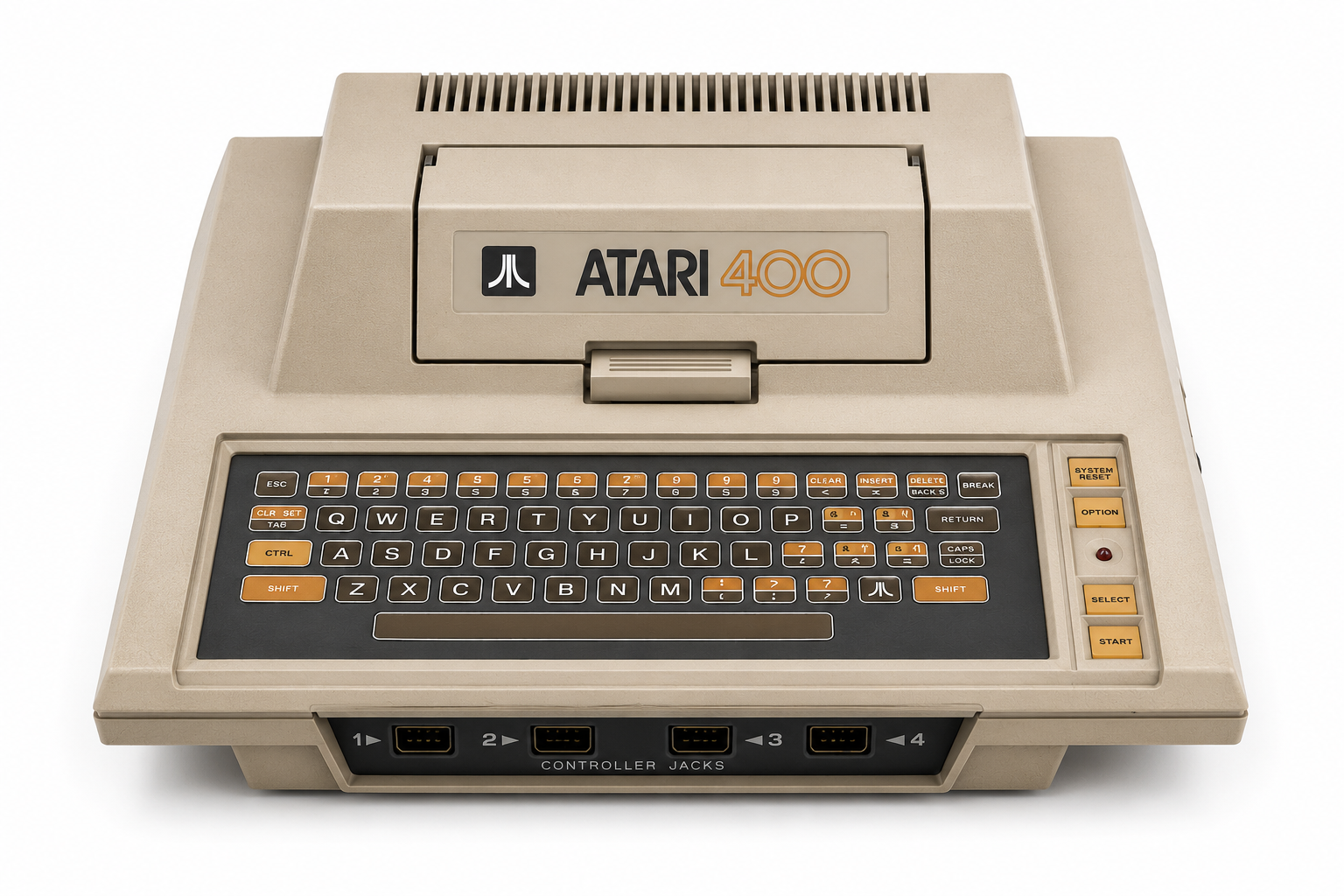
The Atari 400 was one of Atari’s first home computers and played a major role in introducing personal computing to households during the late 1970s and early 1980s. Released in 1979 alongside the more advanced Atari 800, the Atari 400 was designed as a lower-cost entry point into Atari’s new 8-bit computer family. While marketed primarily toward education and home use, the system quickly became popular with gamers, students, hobbyists, and first-time computer users because of its advanced graphics, impressive sound capabilities, and approachable design.
Atari developed the 400 using technology heavily influenced by its successful arcade machines. Unlike many competing home computers of the era, the Atari 400 featured custom graphics and sound hardware that allowed it to produce colorful visuals, smooth animation, and sophisticated audio effects that were far ahead of many other consumer systems at the time. This gave the Atari 400 an excellent reputation for gaming, with titles that often felt closer to true arcade experiences than what competing computers could deliver.
One of the most distinctive aspects of the Atari 400 was its pressure-sensitive membrane keyboard. Instead of traditional moving keys, the system used a flat touch-style keyboard covered by a plastic membrane. Atari originally believed this design would be more durable and resistant to spills, especially in educational environments and homes with children. While the membrane keyboard gave the system a futuristic appearance, many users found it less comfortable for long typing sessions compared to traditional keyboards.
The Atari 400 featured a compact beige case design with rounded edges and a clean, approachable appearance that reflected late 1970s industrial styling. Internally, the system used the MOS Technology 6502 processor along with Atari’s custom ANTIC graphics chip, GTIA graphics hardware, and the POKEY sound chip. Together, these components gave the Atari 400 capabilities that made it one of the most technically advanced home computers available at its release.
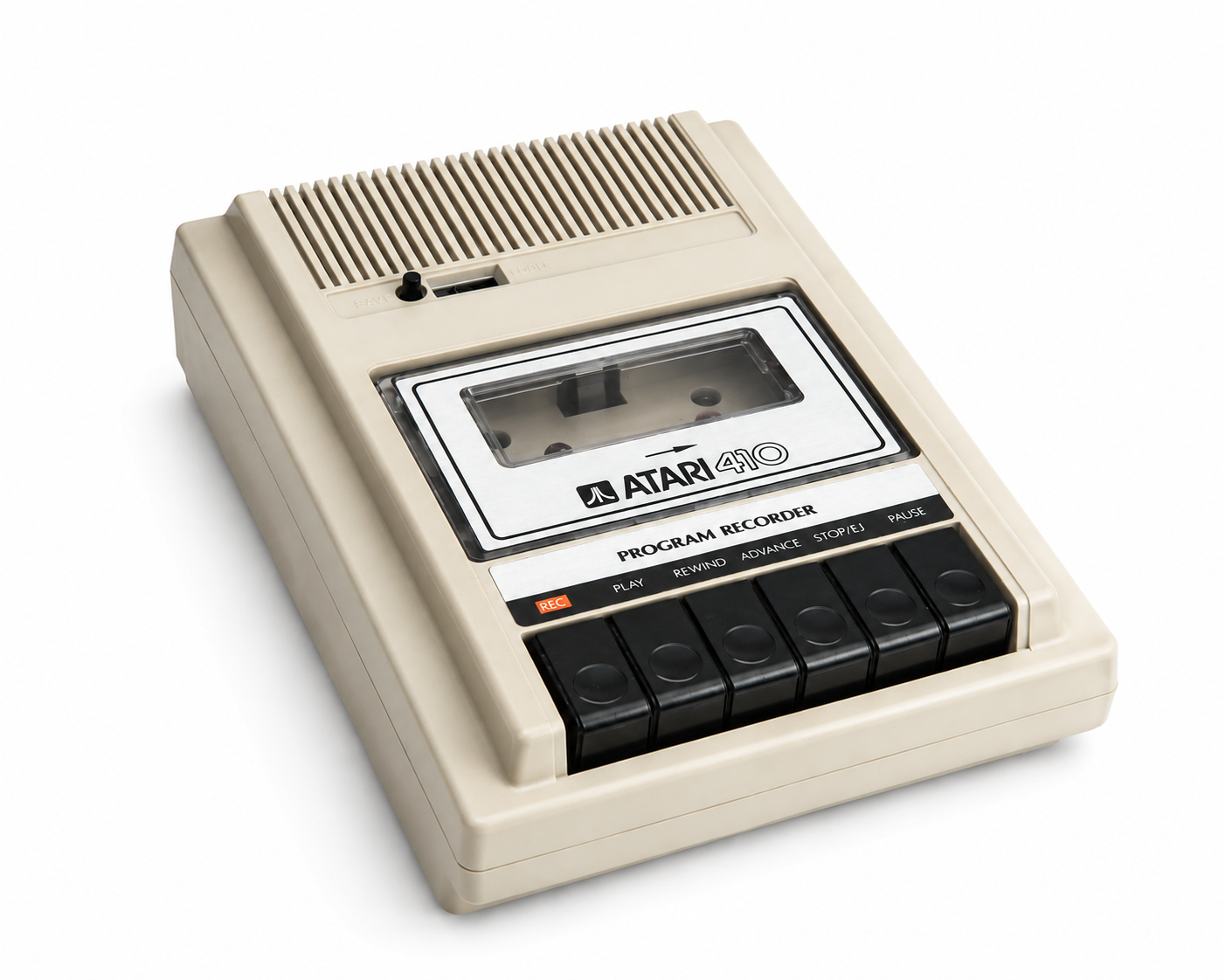
The computer supported cartridge-based software as well as cassette and floppy disk storage through Atari’s expanding peripheral ecosystem. Users could connect printers, disk drives, cassette recorders, modems, and joysticks, transforming the Atari 400 into a flexible platform for gaming, education, and experimentation. The system also included Atari BASIC support, encouraging users to learn programming and explore the growing world of personal computing.
Although the Atari 400 was eventually replaced by later XL and XE series computers, its influence on the early home computer industry was significant. It helped establish Atari as a serious competitor in the personal computer market and introduced countless people to gaming, programming, and digital creativity for the very first time.
Today, the Atari 400 remains a highly respected and collectible system among retro computing enthusiasts. Its unique membrane keyboard, strong software library, and historical importance continue to make it one of the most recognizable computers of the early home computing era.
CPU
- MOS Technology 6502C
- Clock Speed: Approximately 1.79 MHz
Graphics
- ANTIC graphics processor
- CTIA / later GTIA graphics chip
- Resolution up to 320 × 192
- Advanced sprite and color support
Sound
- POKEY sound chip
- Four-channel audio support
Physical Design
- Compact beige case
- Rounded edges
- Front cartridge slot
- Internal RF shielding
Memory
- Originally shipped with 8 KB or 16 KB RAM
- Expandable memory configurations
Storage Support
- Cartridge slot
- Cassette tape support
- Optional floppy disk drive support
Keyboard
- Pressure-sensitive membrane keyboard
- Flat touch-style design
Controllers & Ports
- Joystick support
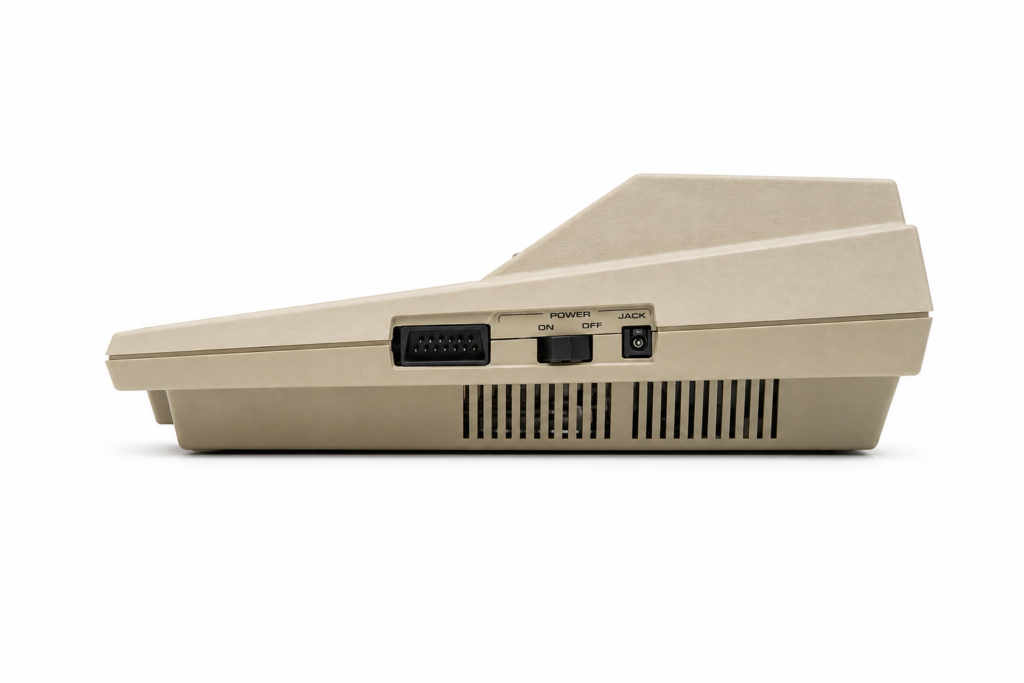
- Peripheral expansion ports
- Printer and modem support
Operating System
- Atari OS ROM
- Atari BASIC available via cartridge
Output
- RF television output
- Monitor support through peripherals
Notable Features
One of Atari’s first home computers
- Advanced graphics and sound for its era
- Arcade-inspired hardware architecture
- Designed for education and family use
- Helped introduce many users to home computing and programming
Notable Facts
- The Atari 400 originally used an internal metal shield strong enough that some owners joked it felt “military grade.”
- Atari designed the membrane keyboard partly to make the computer spill-resistant for classrooms and children.
- Some Atari 400 computers contained expansion slots hidden under the top cover, allowing internal memory upgrades and hardware modifications.
