
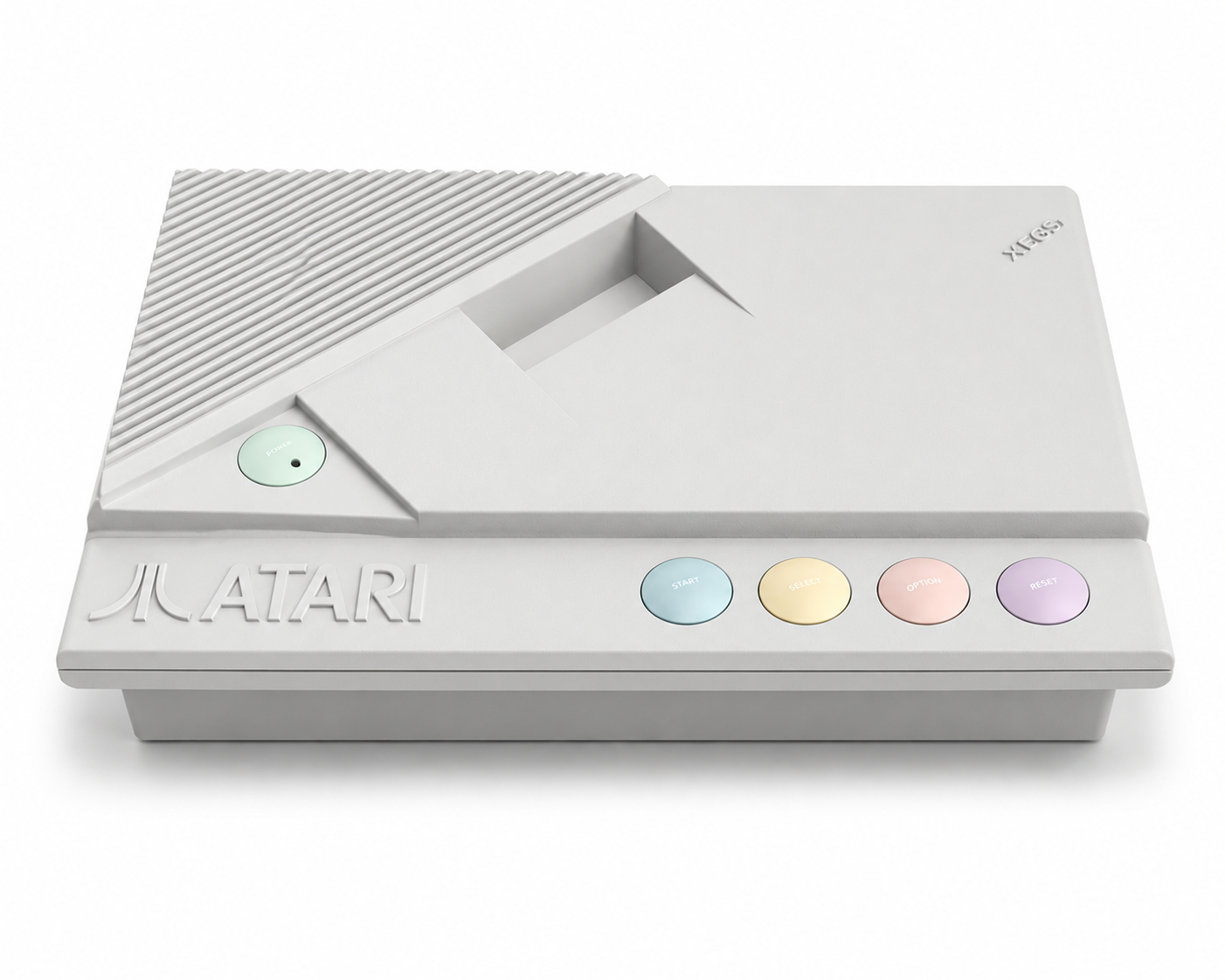
Release Information
- Released: 1987
- Manufacturer: Atari
- Full Name: Atari XE Game System
- Type: Hybrid game console and home computer
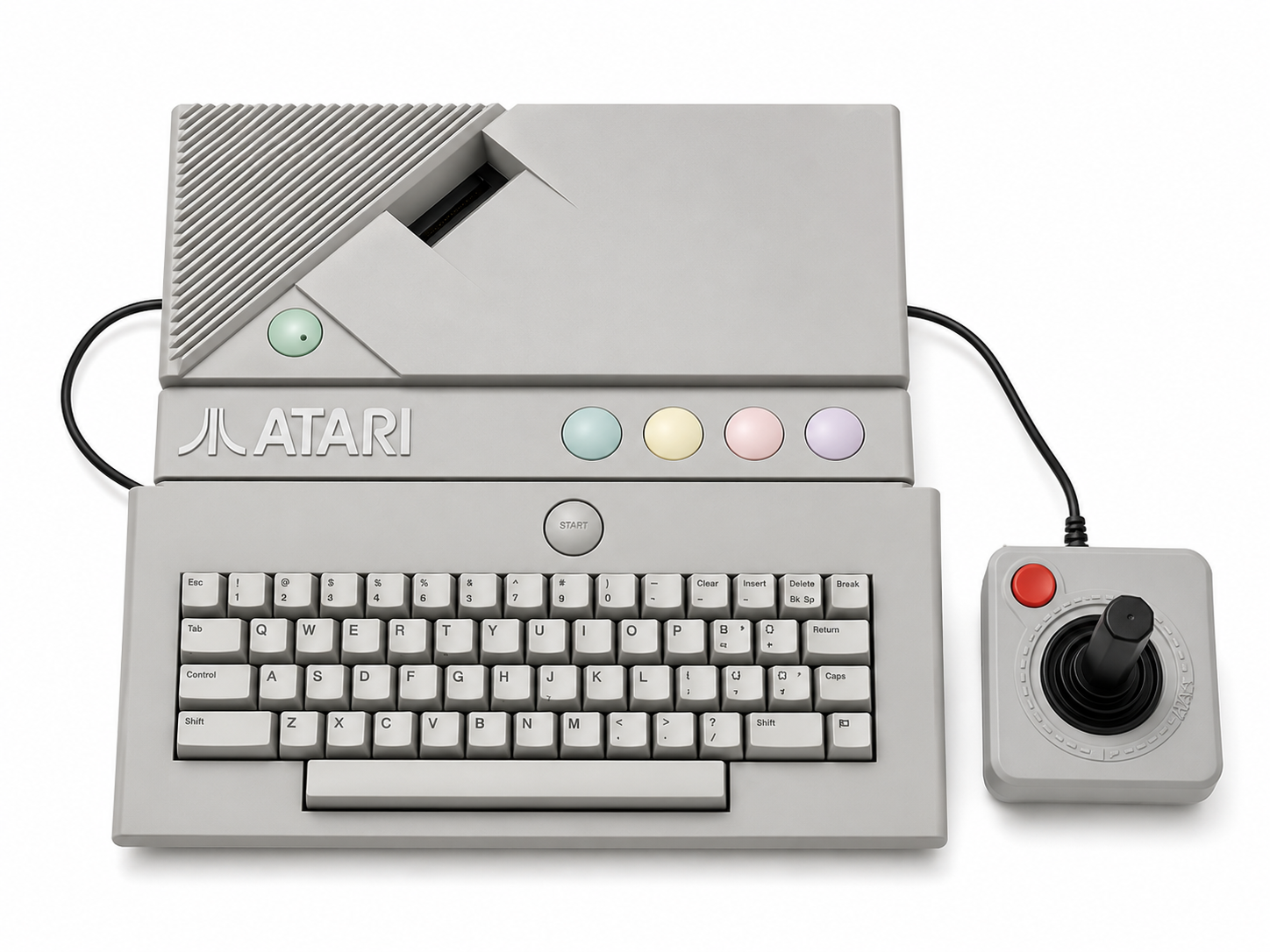
The Atari XEGS
The Atari XE Game System, commonly known as the XEGS, was Atari’s unique attempt to combine the worlds of home video gaming and personal computing into a single affordable system. Released in 1987, the XEGS was essentially a repackaged version of Atari’s long-running 8-bit computer technology, redesigned and marketed primarily as a home gaming console. However, unlike traditional consoles of the era, the XEGS could also function as a full personal computer when connected to optional accessories such as a keyboard, disk drive, and printer.
Visually, the XEGS featured a modernized beige and gray design that matched Atari’s XE computer line. The system had a clean, compact appearance that reflected the styling trends of late 1980s consumer electronics while still maintaining strong ties to Atari’s earlier 8-bit computer heritage. Atari hoped the XEGS would appeal to both gamers and families interested in educational and computer-oriented software, positioning it somewhere between a traditional console and a low-cost home computer.
One of the XEGS’s most interesting features was its compatibility with Atari’s extensive 8-bit computer software library. In addition to cartridge-based games, the system could run many Atari 8-bit computer programs when equipped with the proper peripherals. This gave the XEGS access to a huge range of games, educational titles, productivity software, and programming tools developed throughout the lifespan of Atari’s 8-bit platform.
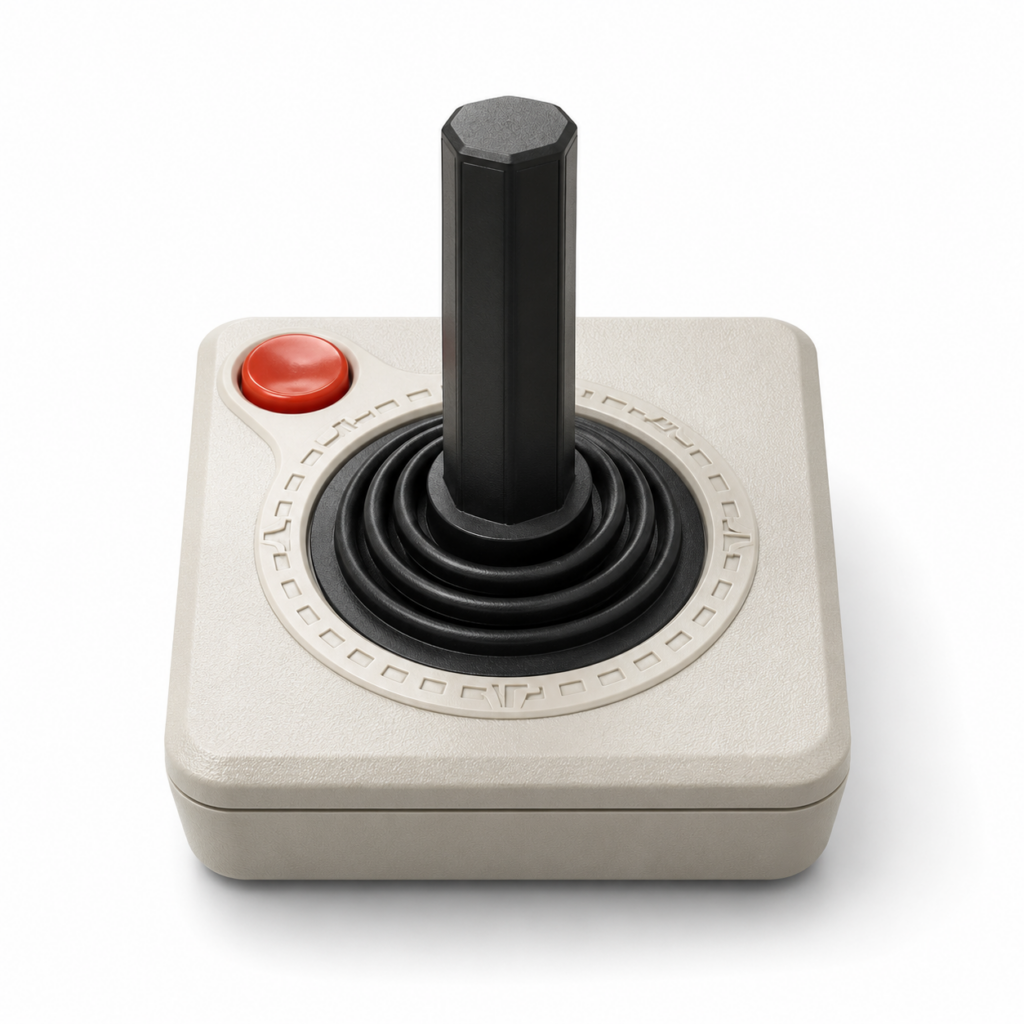
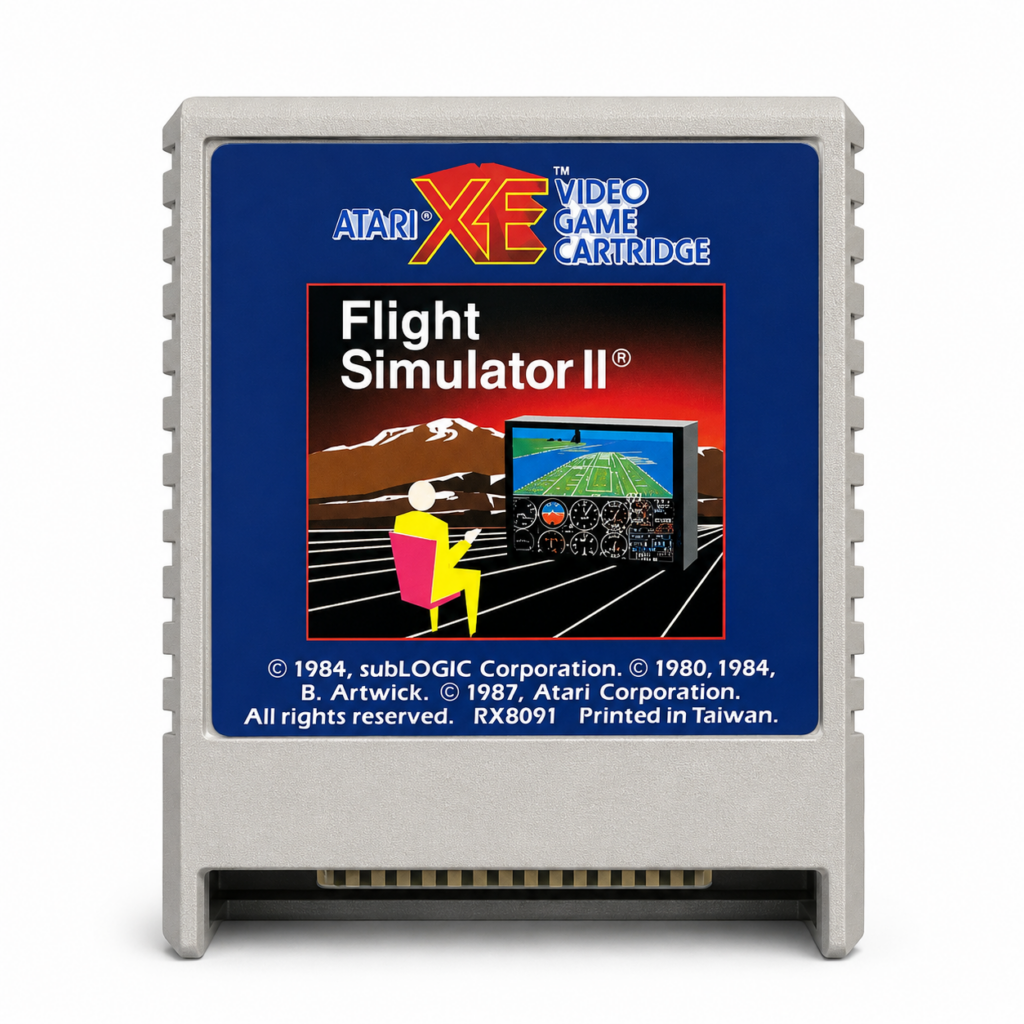
The XEGS shipped with a detachable keyboard and often included Atari’s unique light gun accessory known as the XG-1 light gun. The system also supported standard Atari joysticks and other peripherals from the Atari 8-bit computer ecosystem. Popular titles such as Missile Command, Flight Simulator II, and Bug Hunt demonstrated the flexibility of the platform and its ability to blend gaming with educational and computing applications.
Internally, the XEGS shared much of its technology with earlier Atari 8-bit computers such as the Atari 65XE and Atari 130XE. The system featured Atari’s proven ANTIC and GTIA graphics hardware along with the POKEY sound chip, allowing it to produce colorful graphics and rich audio that remained competitive even years after the original Atari 8-bit platform had first appeared.
Although the XEGS arrived during a period when Nintendo and Sega were rapidly dominating the gaming industry, the system still developed a loyal following among Atari enthusiasts and collectors. Today, the XEGS is remembered as one of Atari’s most unusual and flexible systems — a hybrid platform that blurred the line between video game console and home computer.
For many retro computing fans, the Atari XEGS represents the final evolution of Atari’s legendary 8-bit computer line and a fascinating example of Atari’s continuing efforts to innovate during the changing technology landscape of the late 1980s.
CPU
- MOS Technology 6502C
- Clock Speed: Approximately 1.79 MHz
Graphics
- ANTIC graphics processor
- GTIA graphics chip
- Resolution up to 320 × 192
- Advanced sprite and color support
Sound
- POKEY sound chip
- Four-channel audio support
Memory
- RAM: 64 KB
Media Format
- Cartridge-based software
- Compatible with Atari 8-bit computer software
- Optional floppy disk drive support
- Cassette support through peripherals
Controllers & Input Device
- Atari joystick support
- XG-1 light gun support
- Detachable keyboard support
- Compatible with Atari 8-bit peripherals
Output
- RF television output
- Compatible with CRT televisions and monitors
Physical Design
- Beige and gray XE-style case
- Compact console layout
- Front cartridge slot
- External peripheral ports
Notable Features
Combined home gaming and personal computing
- Based on Atari’s proven 8-bit computer technology
- Compatible with a large library of Atari 8-bit software
- Supported educational, productivity, and gaming applications
- Considered the final major system in Atari’s 8-bit family
Notable Games
- Missle Command
- Bug Hunt
- Flight Simulator II
- Ballblazer
